

About EBOLA

Last updated June 16 2026
Notice on Enhanced Ebola Prevention Measures
Kigali, 16 June 2026 — One month after the Ebola disease outbreak caused by the Bundibugyo virus was declared in Ituri Province, DRC, Rwandan public health authorities continue to closely monitor the situation and maintain our preparedness measures.
There are currently no cases in Rwanda and no active cases in areas bordering Rwanda. While the risk of transmission to Rwanda is low, we remain vigilant and continue strengthening surveillance and preparedness for early detection and rapid response.
Effective immediately:
- All foreign nationals who have travelled to, or transited through, the DRC within the last thirty (30) days prior to their intended travel to Rwanda will be denied entry.
- Rwandan nationals and foreign residents with valid proof of residency in Rwanda will be permitted entry. However, those who have travelled to, or transited through, the DRC within the same thirty (30) day period will be subject to mandatory quarantine procedures in line with public health protocols.
The Ministry of Health, together with WHO Rwanda, earlier this week briefed international organisations and the diplomatic corps in Rwanda on the country’s preparedness and the precautionary measures currently in place. The Ministry emphasized that all activities within Rwanda continue as usual, including conferences, events, tourism, business, and travel within Rwanda.
Rwanda remains open, safe and prepared. Visitors, residents and event participants are encouraged to continue with their planned activities while observing standard hygiene practices and following official public health guidance.
The Ministry of Health, in coordination with other relevant Government institutions, will continue working closely with national, regional and international partners to protect the health and safety of everyone in Rwanda.
For health information or to report symptoms, the public is encouraged to contact the Rwanda Biomedical Centre hotline: 114.
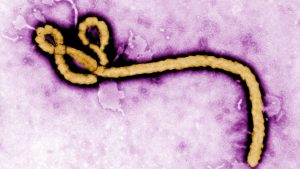 Ebola disease is a severe, often fatal illness affecting humans and other primates.
The virus is transmitted to people from wild animals (such as fruit bats, porcupines and non-human primates) and then spreads in the human population through direct contact with the blood, secretions, organs or other bodily fluids of infected people, and with surfaces and materials (e.g. bedding, clothing) contaminated with these fluids.
The average Ebola disease case fatality rate is around 50%. Case fatality rates have varied from 25–90% in past outbreaks.
The first Ebola disease outbreaks occurred in remote villages in Central Africa, near tropical rainforests. The 2014–2016 Ebola virus disease outbreak in West Africa was the largest and most complex Ebola outbreak since the virus was first discovered in 1976.
It is thought that fruit bats of the Pteropodidae family are natural hosts of the orthoebolavirus. (Source: WHO)
I am text block. Click edit button to change this text.
What is Ebola
Ebola Virus Disease (EVD) Symptoms
- Fever (above 38°C)
- Severe headache
- Weakness and fatigue
- Muscle and joint pain
- Sore throat
- Abdominal pain
- Vomiting
- Diarrhoea
- Red eyes
- Skin rash
- Unexplained bleeding (internal or external)
Early diagnosis and prompt medical care significantly increase the chances of recovery.
- Wash your hands regularly with clean water and soap, or an alcohol-based hand sanitizer.
- Avoid contact with blood, bodily fluids, or contaminated objects of a person who is sick or has symptoms of Ebola.
- Avoid shaking hands and close physical contact with people who have symptoms of Ebola.
- Avoid non-essential travel to areas affected by Ebola outbreak
- Do not touch the body of a person who died from Ebola.
- Avoid touching wild animals and do not consume meat from animals found dead.
The Ministry of Health has reinforced health screening and vigilance at land points of entry along the border with the DRC. In addition, enhanced entry control measures are being implemented at Kigali International Airport for inbound travellers to Rwanda.
- All foreign nationals who have travelled to, or transited through, the DRC within the last thirty (30) days prior to their intended travel to Rwanda will be denied entry.
- Rwandan nationals and foreign residents with valid proof of residency in Rwanda will be permitted entry. However, those who have travelled to, or transited through, the DRC within the same thirty (30) day period will be subject to mandatory quarantine procedures in line with public health protocols.
- All activities within Rwanda continue as usual, including conferences, events, tourism, business, and travel within Rwanda.
- Rwanda remains open, safe and prepared. Visitors, residents and event participants are encouraged to continue with their planned activities while observing standard hygiene practices and following official public health guidance.